From desert outpost to neon metropolis
Las Vegas is a 20th‑century story told in marquee lights, hotel lobbies, and ambitious reinvention. Your bus route follows the veins of that story: the places where fortunes were made, shows redefined modern spectacle, and neighborhoods were remade time and again.
Table of Contents
Early beginnings & the railroad
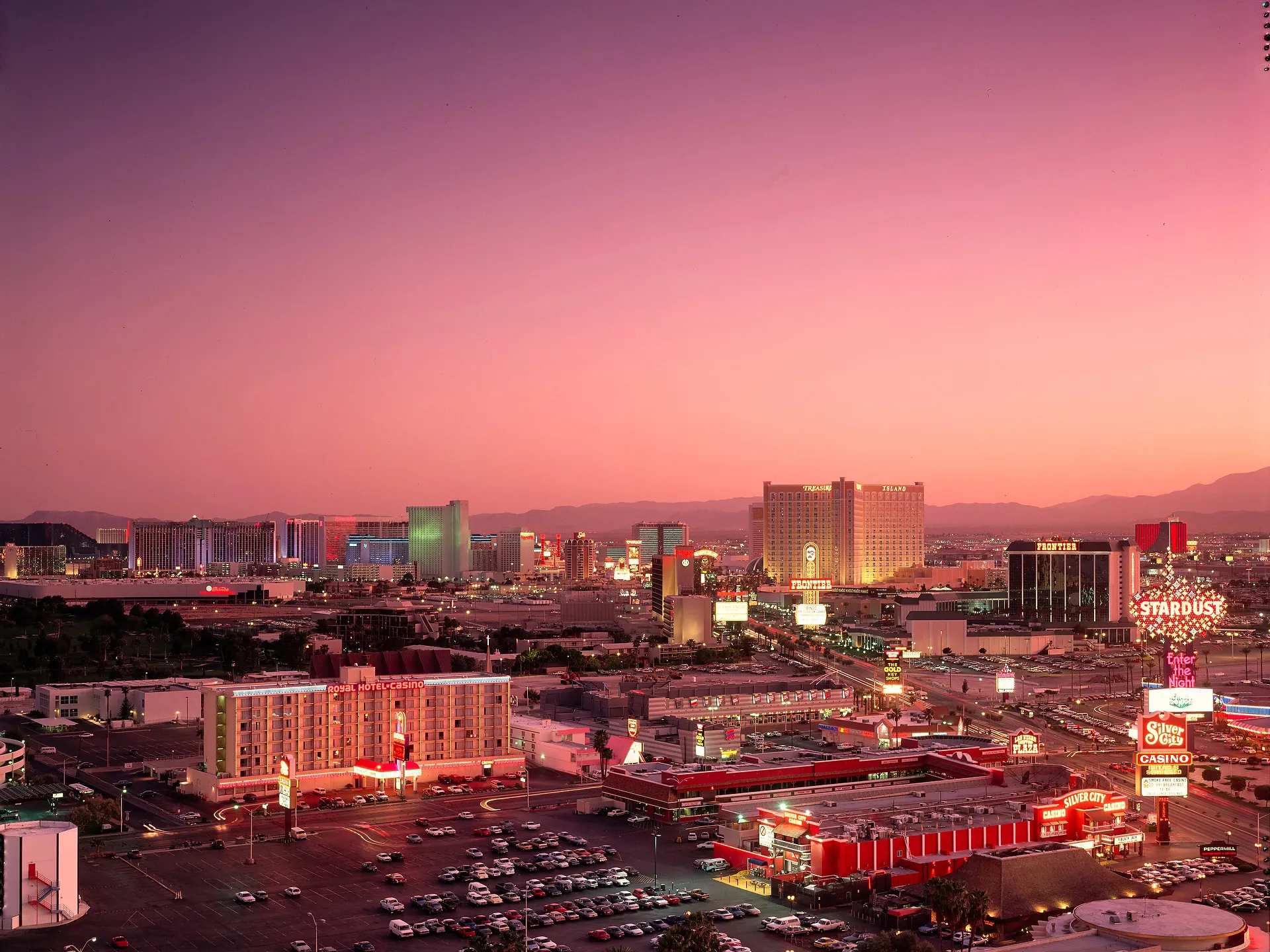
Las Vegas began as a watering stop on the San Pedro, Los Angeles and Salt Lake Railroad in the early 1900s. A handful of buildings and hardy settlers marked the town on the desert map, but it was the arrival of legalized gambling in 1931 and federal investments in nearby Hoover Dam that poised the area for rapid growth.
The railroad and the dam brought workers, money, and a reason for hotels and services to exist. Early motels catered to travelers moving along the Southwest, and the promise of easy recreation in a dry climate drew Americans seeking a weekend escape.
The rise of gaming and the Strip
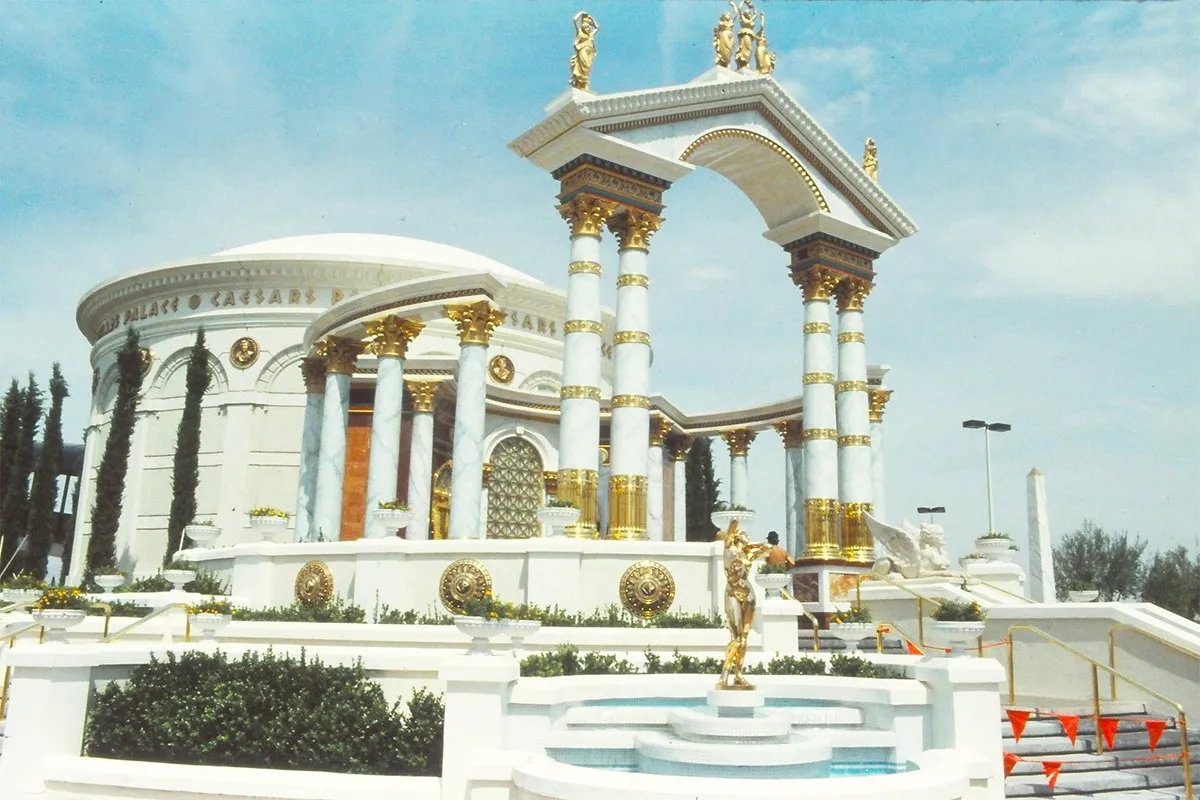
After World War II, entrepreneurs and entertainers began to shape the Strip into a destination. Hotels expanded their offerings with big-name shows and the earliest lavish, themed interiors. The Strip was never a gradual urban growth—it was an intentional reinvention repeated decade after decade.
This is where hospitality met spectacle: casinos paid for star-studded floorshows, pools became entertainment stages, and architects tried ever bolder themes. Walking the Strip is like flipping through pages of design experiments—Roman villas, Venice canals, Parisian boulevards—each constructed to transport visitors into a new fantasy.
Mob era & transformation
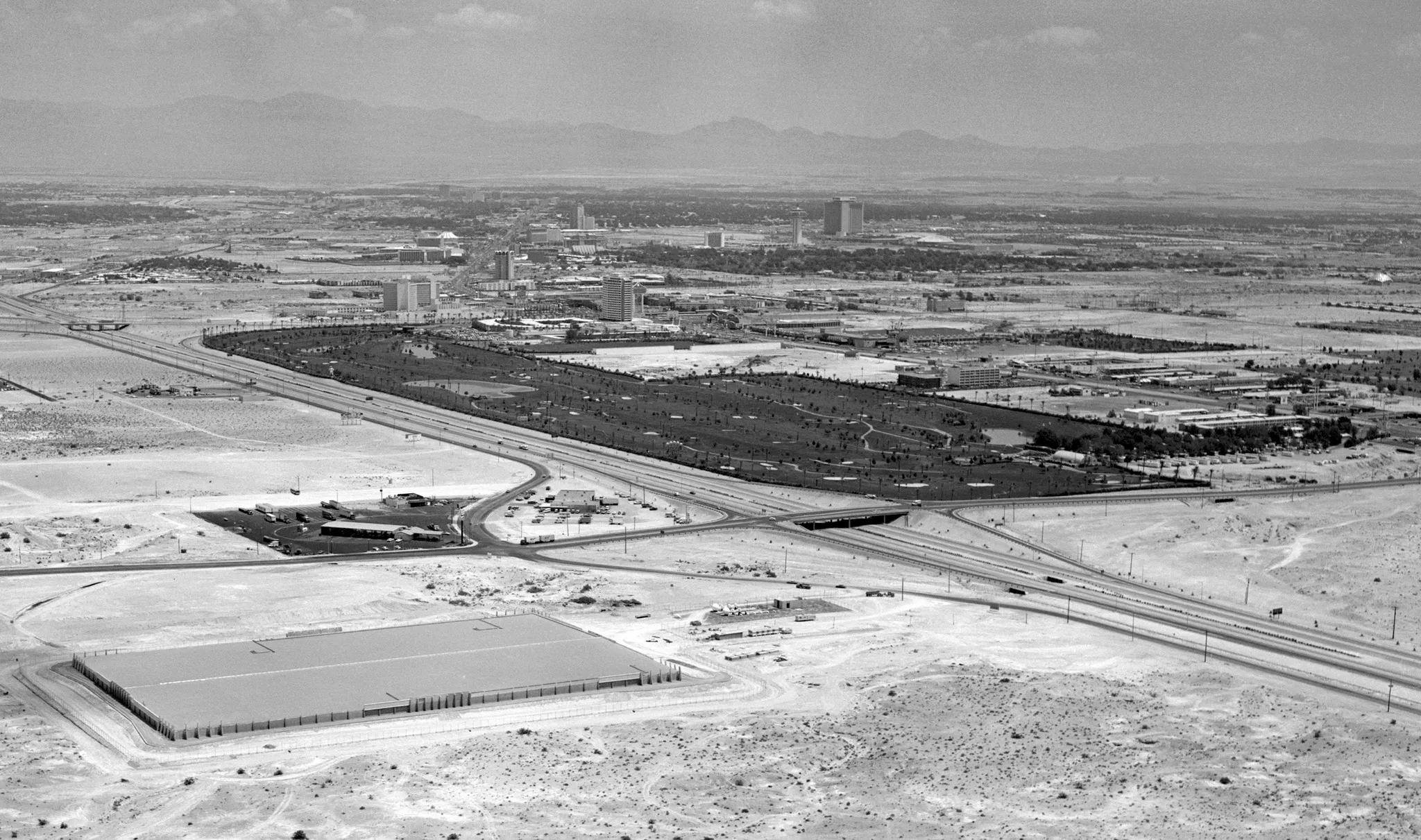
The postwar era also brought organized crime interests into the casino business, financing many of the early resorts. Over time, legitimate investors and corporations bought out or restructured these properties, professionalizing management and paving the way for the modern corporate resorts of the 1990s and 2000s.
That shift changed more than ownership: it altered how Las Vegas marketed itself, moving from smoky gambling rooms to family-friendly attractions, theme parks, and luxury dining, and eventually back toward adult-focused entertainment with massive production shows and residencies.
Themed mega‑resorts and spectacles
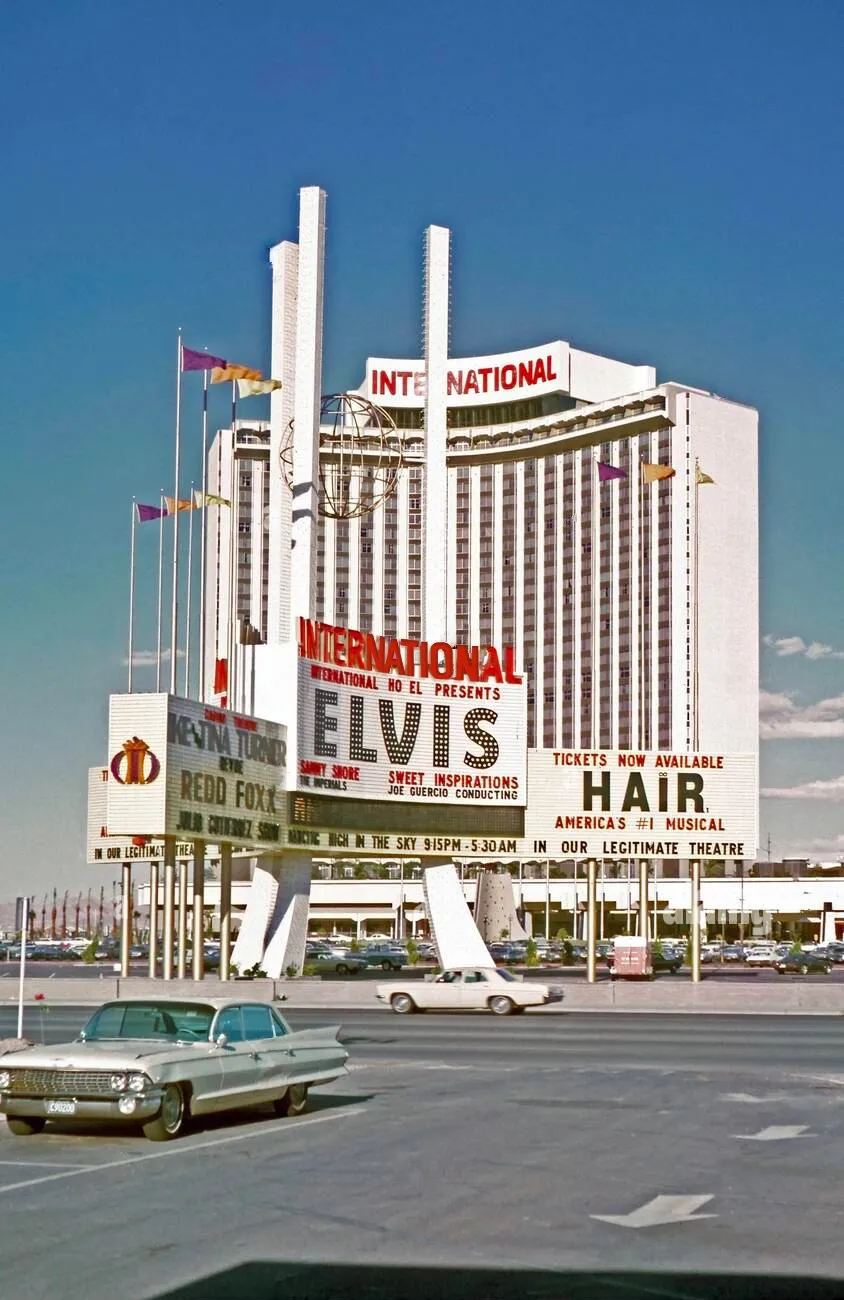
From the fountains at Bellagio to the canals of the Venetian and the pyramid of Luxor, the late 20th century turned hotels into immersive environments. These mega‑resorts were part amusement park, part city, providing shopping, dining, nightlife, and nonstop spectacle.
Producers and designers treated every element—themed restaurants, neon marquees, and nightclubs—as part of the show, ensuring that even a simple stroll down the Strip felt like a curated experience.
Downtown’s neon revival
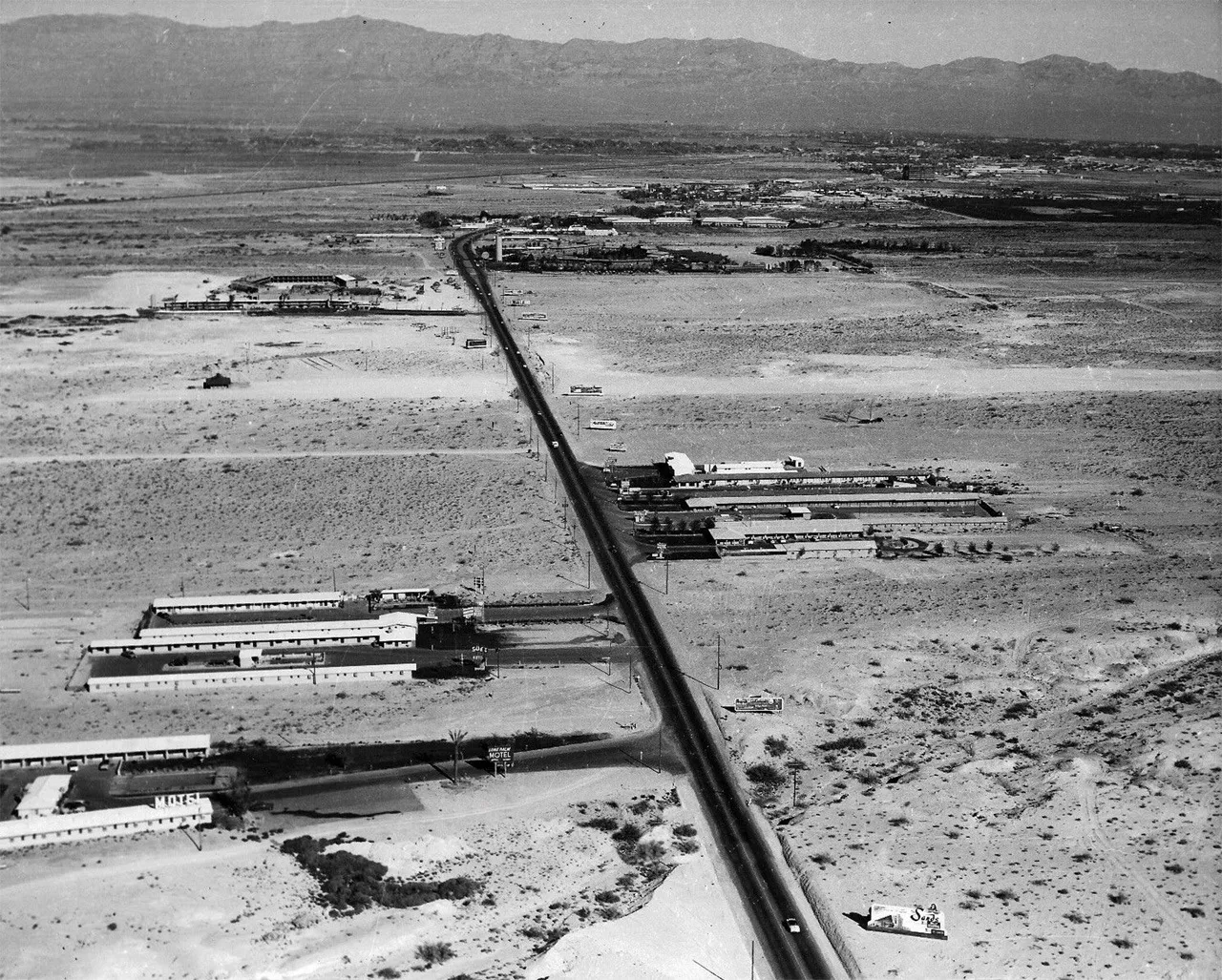
While the Strip grew taller, Downtown retained a worn charm. In recent decades, heritage efforts and creative entrepreneurs transformed old neon signs into an outdoor museum and reimagined Fremont Street as a lively pedestrian entertainment zone.
The Downtown revival shows a different Las Vegas: smaller venues, local artists, artisanal dining, and an energetic street scene that contrasts with the Strip’s theatricality.
Shows, stars & entertainment evolution
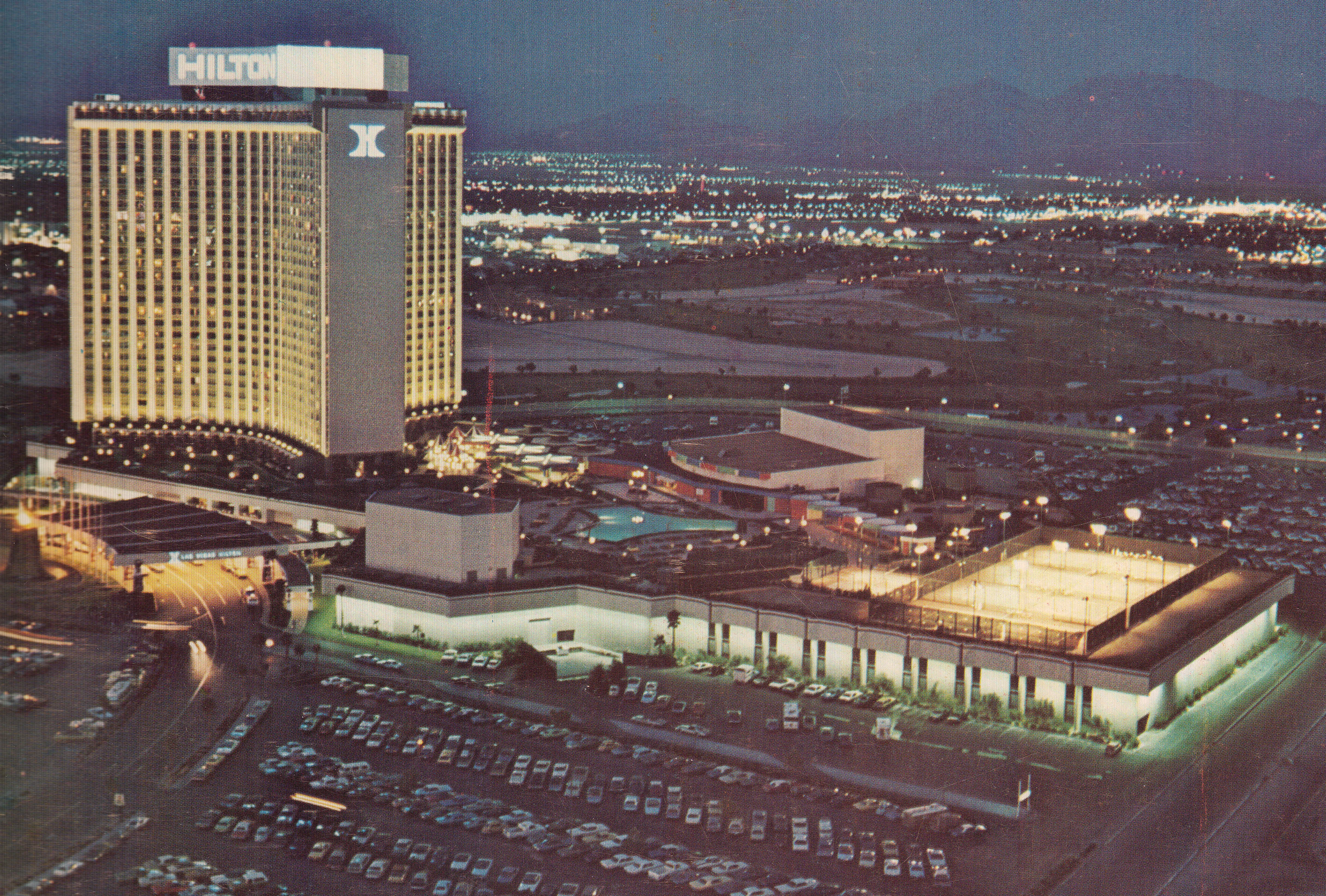
Las Vegas has hosted legendary shows and charted entertainment trends for decades—big bands, magic acts, musicals, and superstar residencies. Pricey production shows share the calendar with intimate lounge performances and free street acts.
Booking a show is part of the Las Vegas ritual: headlines change seasonally, and long-running residencies can reshape a hotel’s identity.
Desert landscapes & engineering feats
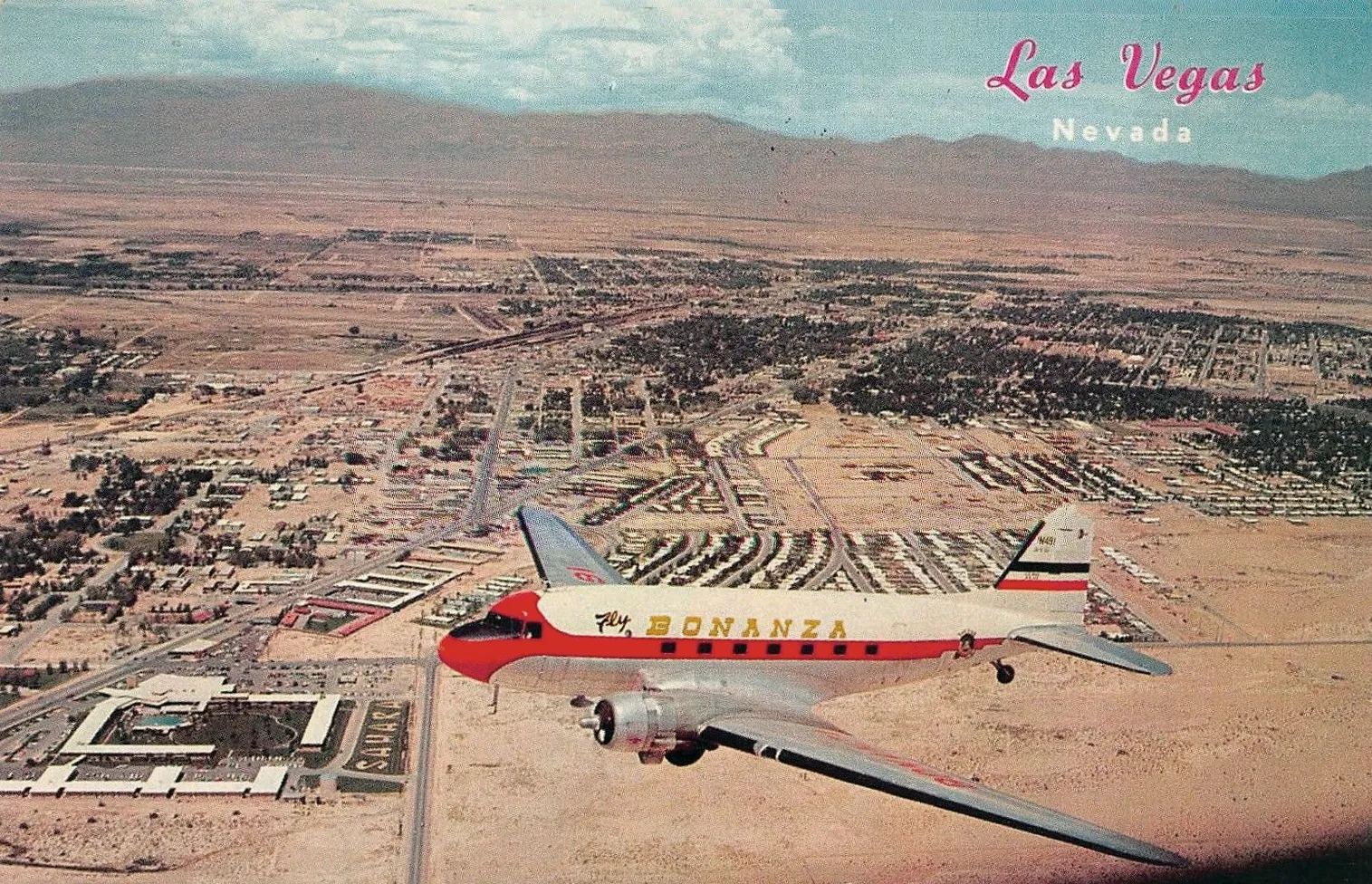
A short drive away are some of the region’s most dramatic landscapes. Hoover Dam, a marvel of 20th-century engineering, and the red cliffs of Red Rock Canyon remind visitors that Las Vegas is anchored in a stark, beautiful desert.
Many tour options extend beyond the Strip so you can trade neon for canyon walls and engineering history without losing time to logistics.
Conventions, culture & city rhythms
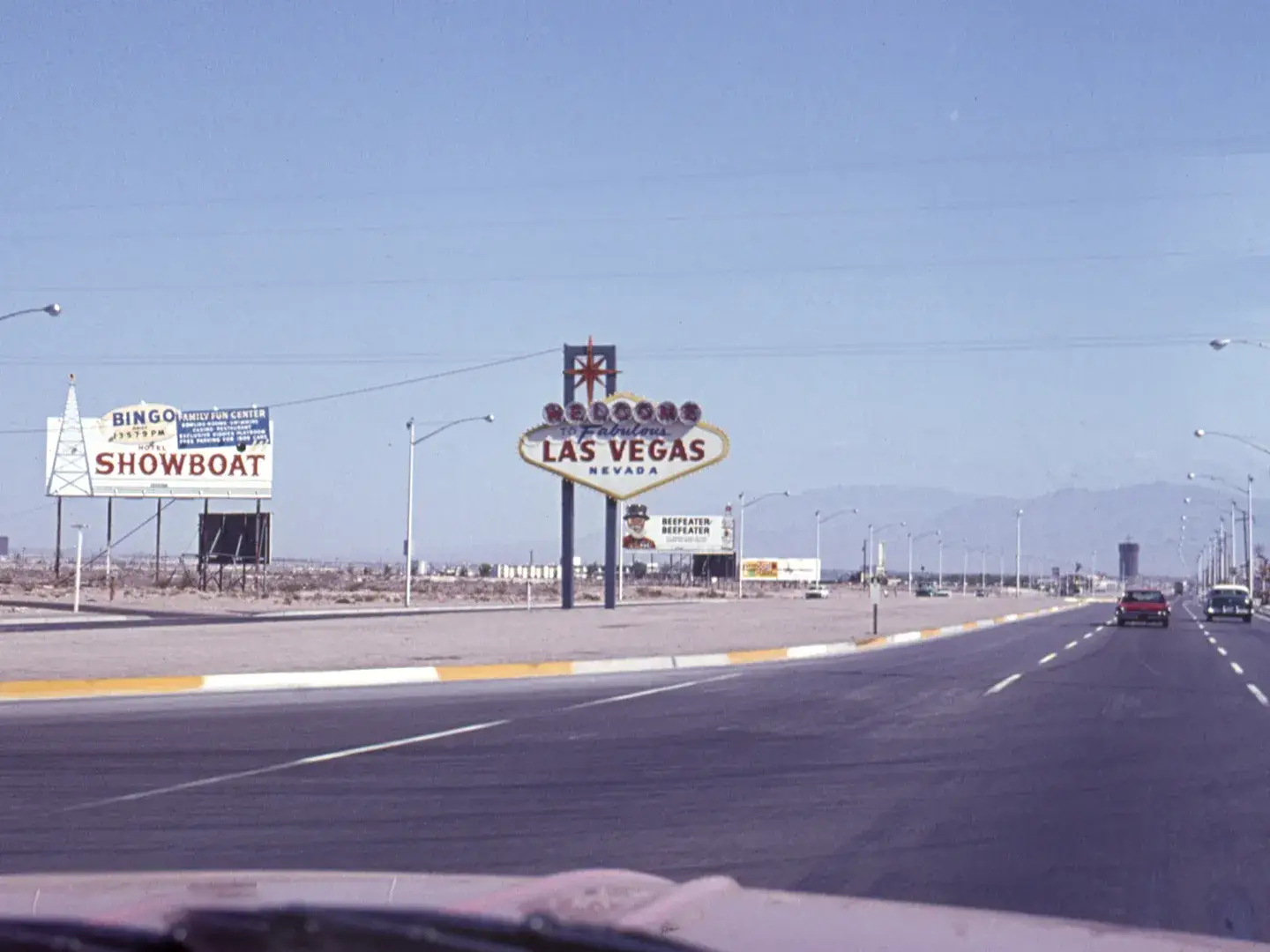
Las Vegas is one of the world’s major convention hubs—trade shows and conferences regularly swell visitor numbers and change the city’s daily rhythm. During these events, hotels and transit feel busier and dining reservations fill fast.
Outside of conventions, the city hums with wedding parties, tourists, and performers keeping the entertainment economy vibrant year‑round.
Food, art & unexpected corners
From celebrity chef restaurants to late-night food courts and 24-hour diners, Las Vegas is an unlikely culinary destination. Public art, museum exhibitions, and small galleries hide in hotel corridors and reimagined downtown warehouses.
Exploring beyond major hotels reveals a local scene of coffee shops, craft breweries, and independent boutiques that many visitors miss on first pass.
Planning a hop‑on hop‑off day
Decide whether you want a relaxed day to explore a few stops or a fast pass to see major highlights. Consider combining a daytime loop with an evening run to experience the Strip’s transformation when the lights come on.
If you plan shows or restaurant reservations, book them in advance to avoid disappointment—then use the bus to move between venues without stressing about parking.
Responsible tourism in a booming city
Las Vegas’s success depends on hospitality workers, artists, and local communities. Respect staff, follow venue rules, and mind local laws—especially around public drinking and smoking—which vary by venue and by state.
Choose official tour operators and licensed attractions to support local businesses and safe practices.
Side trips & scenic drives
Popular extensions include Hoover Dam, Red Rock Canyon, Valley of Fire, and full-day trips to the Grand Canyon. These are readily available as add‑ons to many hop‑on hop‑off passes and are often worth a full day out of the city.
If you’re renting a car, scenic drives around the basin reward patient drivers with dramatic light and quiet viewpoints far from the Strip’s bustle.
Why a bus route reveals Las Vegas
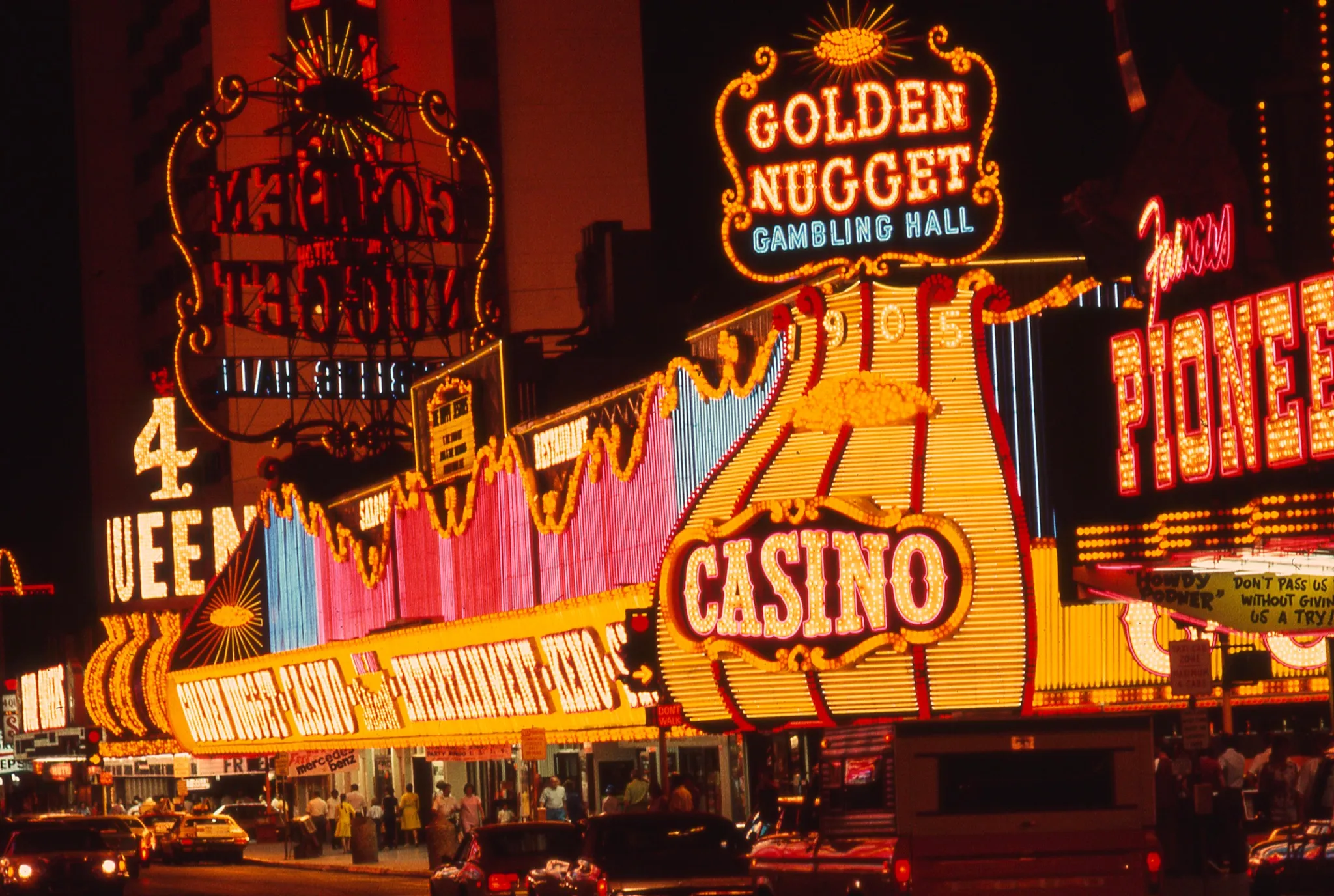
A hop‑on hop‑off bus ties together Las Vegas’ theatrical neighborhoods and nearby natural wonders in a single, convenient experience. It’s a practical way to see big attractions and a surprisingly effective way to understand how the city reinvents itself time after time.
By the end of the day, you’ll have seen the performing art that is the Strip, tasted the city’s culinary variety, and had an easy route back to your hotel—proving that Las Vegas rewards curiosity and a well-timed hop off.
Table of Contents
Early beginnings & the railroad
Las Vegas began as a watering stop on the San Pedro, Los Angeles and Salt Lake Railroad in the early 1900s. A handful of buildings and hardy settlers marked the town on the desert map, but it was the arrival of legalized gambling in 1931 and federal investments in nearby Hoover Dam that poised the area for rapid growth.
The railroad and the dam brought workers, money, and a reason for hotels and services to exist. Early motels catered to travelers moving along the Southwest, and the promise of easy recreation in a dry climate drew Americans seeking a weekend escape.
The rise of gaming and the Strip
After World War II, entrepreneurs and entertainers began to shape the Strip into a destination. Hotels expanded their offerings with big-name shows and the earliest lavish, themed interiors. The Strip was never a gradual urban growth—it was an intentional reinvention repeated decade after decade.
This is where hospitality met spectacle: casinos paid for star-studded floorshows, pools became entertainment stages, and architects tried ever bolder themes. Walking the Strip is like flipping through pages of design experiments—Roman villas, Venice canals, Parisian boulevards—each constructed to transport visitors into a new fantasy.
Mob era & transformation
The postwar era also brought organized crime interests into the casino business, financing many of the early resorts. Over time, legitimate investors and corporations bought out or restructured these properties, professionalizing management and paving the way for the modern corporate resorts of the 1990s and 2000s.
That shift changed more than ownership: it altered how Las Vegas marketed itself, moving from smoky gambling rooms to family-friendly attractions, theme parks, and luxury dining, and eventually back toward adult-focused entertainment with massive production shows and residencies.
Themed mega‑resorts and spectacles
From the fountains at Bellagio to the canals of the Venetian and the pyramid of Luxor, the late 20th century turned hotels into immersive environments. These mega‑resorts were part amusement park, part city, providing shopping, dining, nightlife, and nonstop spectacle.
Producers and designers treated every element—themed restaurants, neon marquees, and nightclubs—as part of the show, ensuring that even a simple stroll down the Strip felt like a curated experience.
Downtown’s neon revival
While the Strip grew taller, Downtown retained a worn charm. In recent decades, heritage efforts and creative entrepreneurs transformed old neon signs into an outdoor museum and reimagined Fremont Street as a lively pedestrian entertainment zone.
The Downtown revival shows a different Las Vegas: smaller venues, local artists, artisanal dining, and an energetic street scene that contrasts with the Strip’s theatricality.
Shows, stars & entertainment evolution
Las Vegas has hosted legendary shows and charted entertainment trends for decades—big bands, magic acts, musicals, and superstar residencies. Pricey production shows share the calendar with intimate lounge performances and free street acts.
Booking a show is part of the Las Vegas ritual: headlines change seasonally, and long-running residencies can reshape a hotel’s identity.
Desert landscapes & engineering feats
A short drive away are some of the region’s most dramatic landscapes. Hoover Dam, a marvel of 20th-century engineering, and the red cliffs of Red Rock Canyon remind visitors that Las Vegas is anchored in a stark, beautiful desert.
Many tour options extend beyond the Strip so you can trade neon for canyon walls and engineering history without losing time to logistics.
Conventions, culture & city rhythms
Las Vegas is one of the world’s major convention hubs—trade shows and conferences regularly swell visitor numbers and change the city’s daily rhythm. During these events, hotels and transit feel busier and dining reservations fill fast.
Outside of conventions, the city hums with wedding parties, tourists, and performers keeping the entertainment economy vibrant year‑round.
Food, art & unexpected corners
From celebrity chef restaurants to late-night food courts and 24-hour diners, Las Vegas is an unlikely culinary destination. Public art, museum exhibitions, and small galleries hide in hotel corridors and reimagined downtown warehouses.
Exploring beyond major hotels reveals a local scene of coffee shops, craft breweries, and independent boutiques that many visitors miss on first pass.
Planning a hop‑on hop‑off day
Decide whether you want a relaxed day to explore a few stops or a fast pass to see major highlights. Consider combining a daytime loop with an evening run to experience the Strip’s transformation when the lights come on.
If you plan shows or restaurant reservations, book them in advance to avoid disappointment—then use the bus to move between venues without stressing about parking.
Responsible tourism in a booming city
Las Vegas’s success depends on hospitality workers, artists, and local communities. Respect staff, follow venue rules, and mind local laws—especially around public drinking and smoking—which vary by venue and by state.
Choose official tour operators and licensed attractions to support local businesses and safe practices.
Side trips & scenic drives
Popular extensions include Hoover Dam, Red Rock Canyon, Valley of Fire, and full-day trips to the Grand Canyon. These are readily available as add‑ons to many hop‑on hop‑off passes and are often worth a full day out of the city.
If you’re renting a car, scenic drives around the basin reward patient drivers with dramatic light and quiet viewpoints far from the Strip’s bustle.
Why a bus route reveals Las Vegas
A hop‑on hop‑off bus ties together Las Vegas’ theatrical neighborhoods and nearby natural wonders in a single, convenient experience. It’s a practical way to see big attractions and a surprisingly effective way to understand how the city reinvents itself time after time.
By the end of the day, you’ll have seen the performing art that is the Strip, tasted the city’s culinary variety, and had an easy route back to your hotel—proving that Las Vegas rewards curiosity and a well-timed hop off.